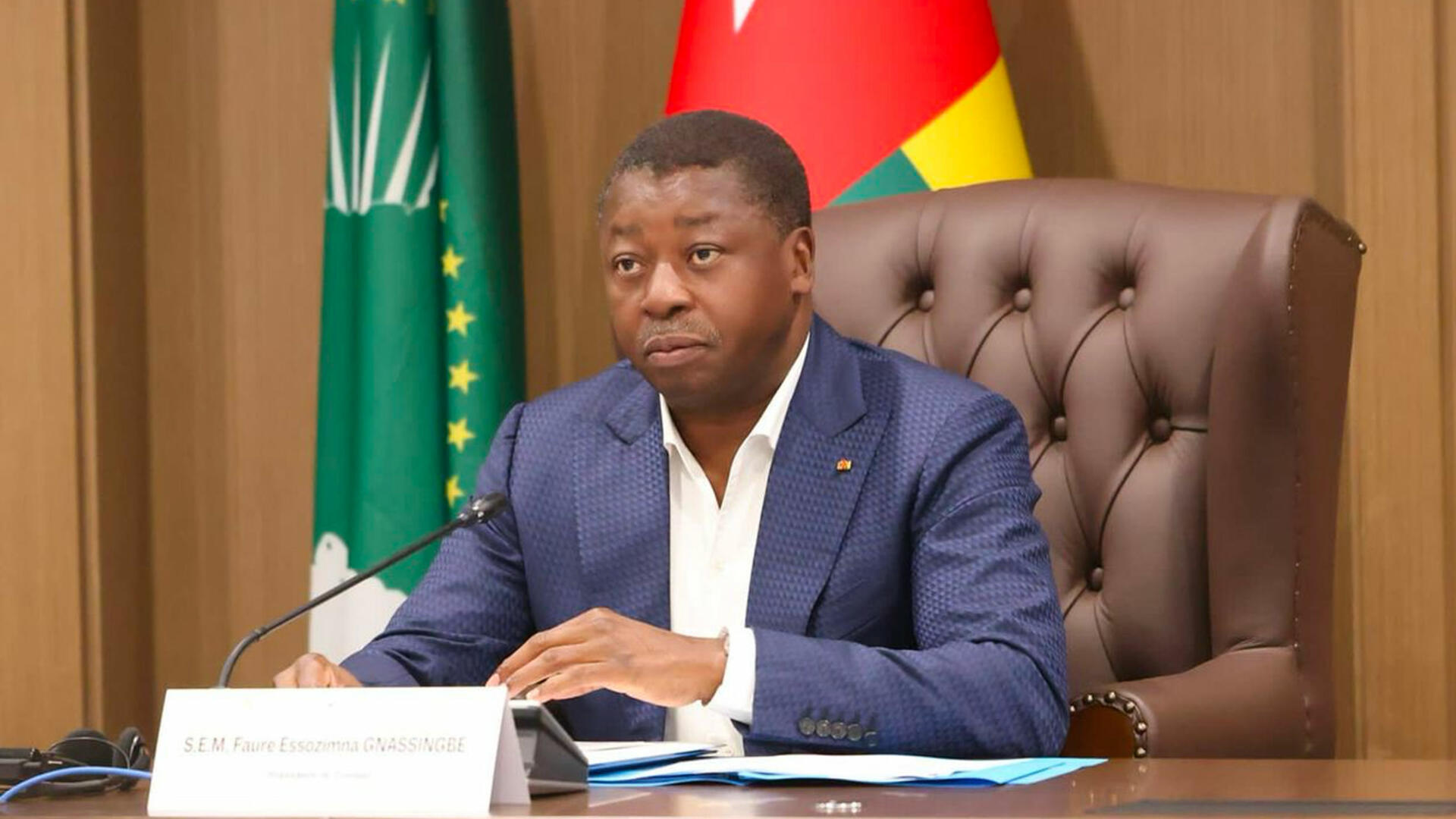
Togolese President Faure Essozimna Gnassingbé is expected in London from September 9 to 11 to attend the World Nuclear Symposium, a gathering of key players in the nuclear industry. For Lomé, this event offers an opportunity to champion a conviction Faure Gnassingbé previously voiced at the Nuclear Energy Innovation Summit for Africa (NEISA) in Kigali last May; that the development of nuclear energy in Africa must be viewed as a matter of energy, industrial, and technological sovereignty.
Held this year under the theme « From Ambition to Action, » the gathering brings together key players from the nuclear industry, governments, investors, and financial institutions to address the transition from ambition to concrete results. Togo aims to champion a new approach to nuclear energy in Africa: moving beyond mere technology imports to create the conditions that will enable the continent to become a genuine player in the industry. Financing, training, regulation, regional cooperation, and small modular reactors will be central to the position advocated by the Council’s President, Faure Essozimna Gnassingbé, at the World Nuclear Symposium.
Togo aims to move from ambition to implementation in the nuclear sector.
Autonomie énergétique : Le Burkina et le Mali vont se doter de leurs propres centrales nucléaires
The line defended by Faure Gnassingbé begins with a change in Africa’s position. The continent should no longer simply export its resources and import high-value technologies. “Africa should no longer export the atom and import the electron ” this vision argues. The objective is now to train engineers, strengthen regulatory capacity, develop service chains and, where national decisions and safety conditions justify it, generate nuclear electricity on the continent.
This ambition nevertheless faces a major obstacle: financing. Technologies exist, energy demand is increasing and several African countries are preparing nuclear programmes, but the cost of capital remains high. Togo is therefore calling for greater involvement from multilateral development banks, sovereign funds, private investors and future industrial customers. “A nuclear project does not become real when a technology is announced. It becomes real when it becomes bankable ” reflects the approach defended by Lomé.
Lire aussi : Lomé : Faure Gnassingbé appelle à un « sursaut africain » pour une nouvelle doctrine de la dette
Togo is also emphasising the construction of an African nuclear ecosystem. This requires strong regulatory frameworks, safety and training, but also cooperation between countries. Regional guarantee mechanisms, shared training programmes and greater African negotiating power could allow the continent to strengthen its position vis-à-vis international technology providers. Small modular reactors (SMRs) are, in this perspective, a possible entry point to be assessed, but without favouring a supplier for geopolitical reasons. Safety, maturity, cost, financing, delivery time, maintenance and technology transfer should guide the choices.
This approach is also supported by initiatives undertaken by Togo. A member of the IAEA since 2012 and elected to its Board of Governors for the 2025-2027 period, the country established its Atomic Energy Commission in January 2025 and has continued strengthening its legal and institutional framework for the safe, secure and peaceful use of nuclear technologies. In February 2026, Lomé also signed a new Country Programme Framework with the IAEA for 2026-2031.
After Kigali and London, Togo intends to continue this momentum by hosting the next Nuclear Energy Innovation Summit for Africa (NEISA) in Lomé from 1 to 3 June 2027, with an ambition summed up in three words: “From Ambition to Execution.” The objective is to make the meeting not simply another conference, but a “factory for projects”, bringing governments, regulators, industry, investors and financial institutions together around concrete African nuclear projects.